
McQuaid Jesuit School Performing Arts Center
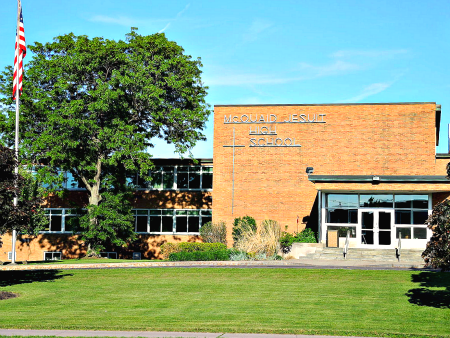
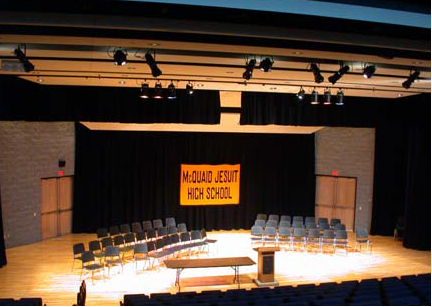
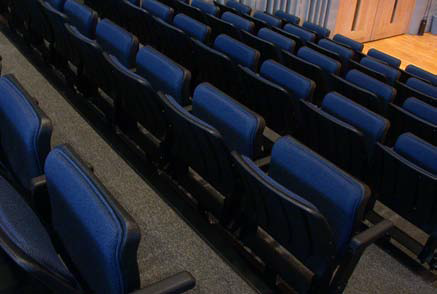
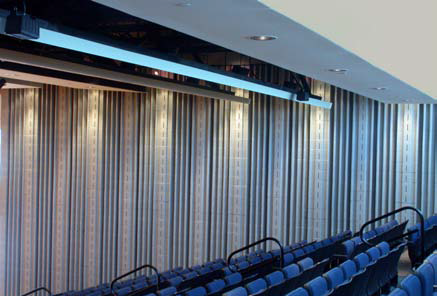
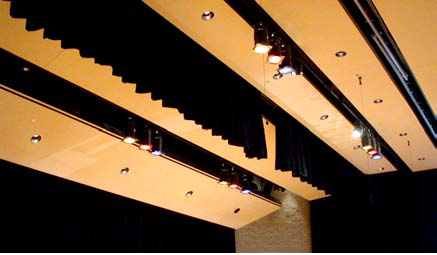
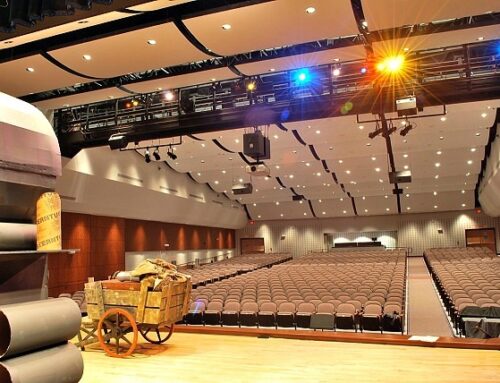
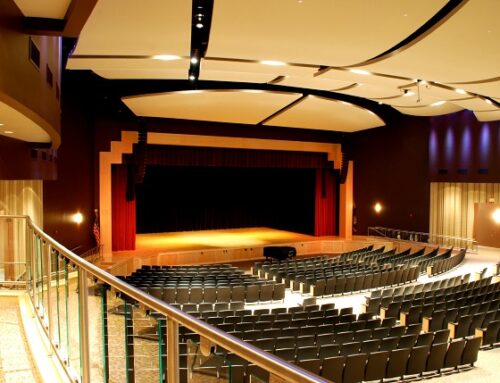
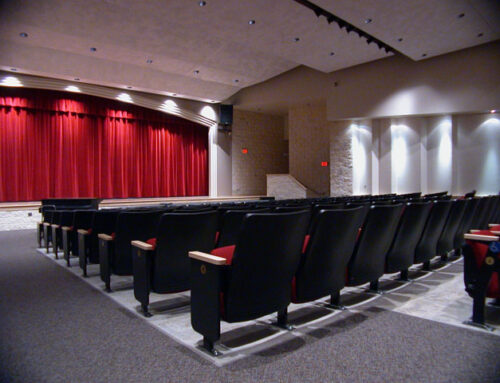
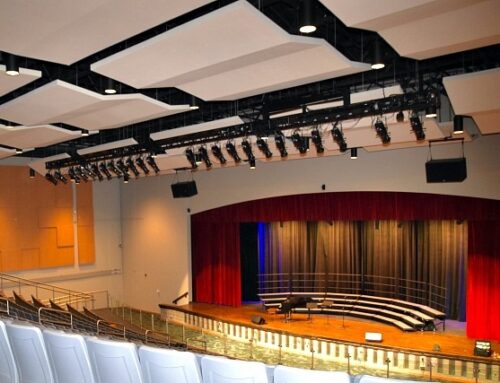
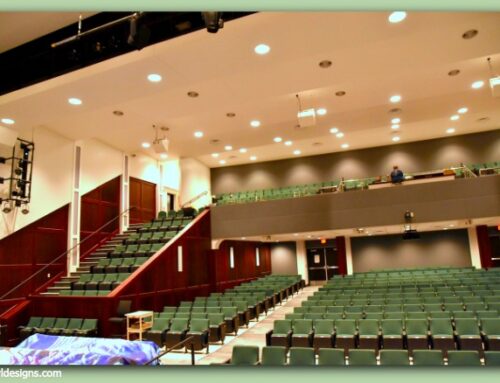
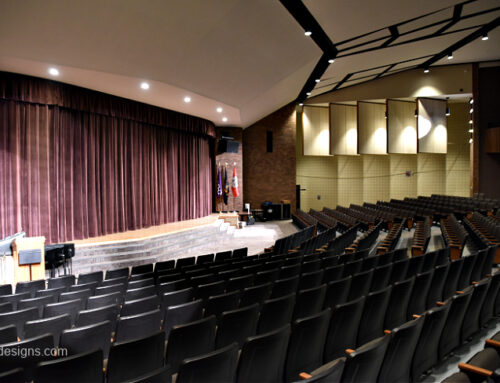
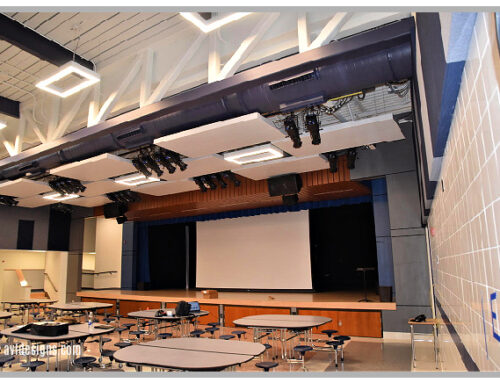
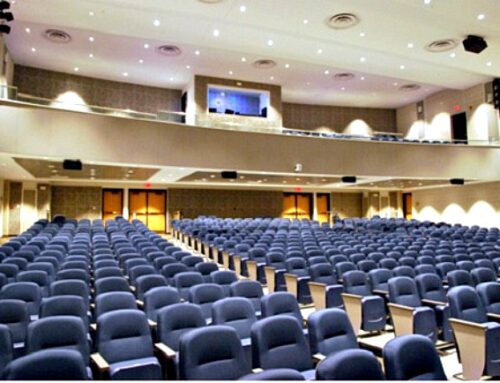
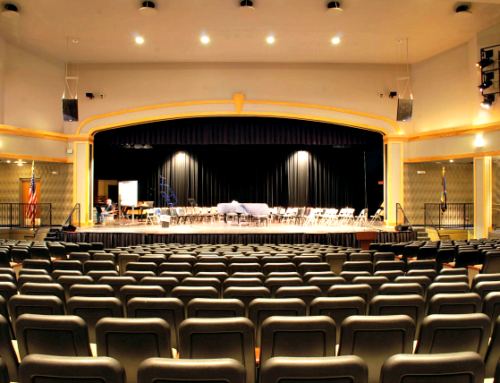
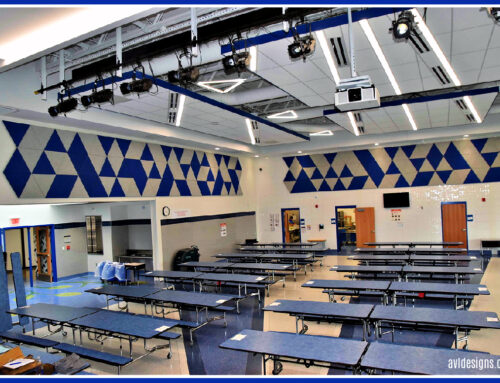
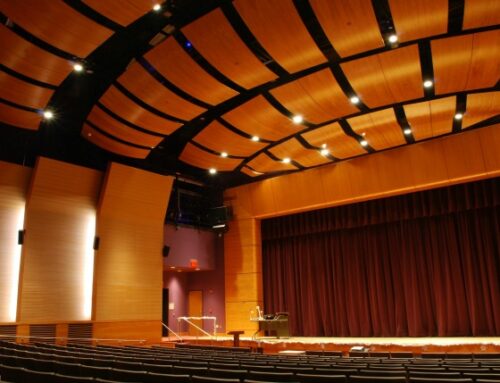
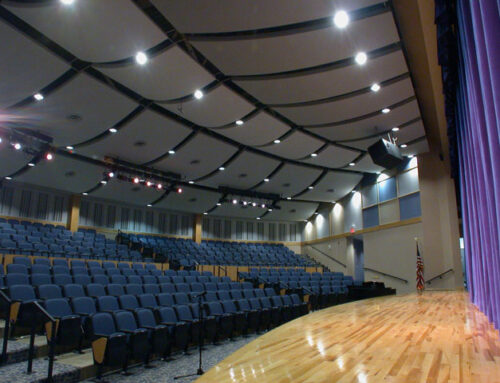
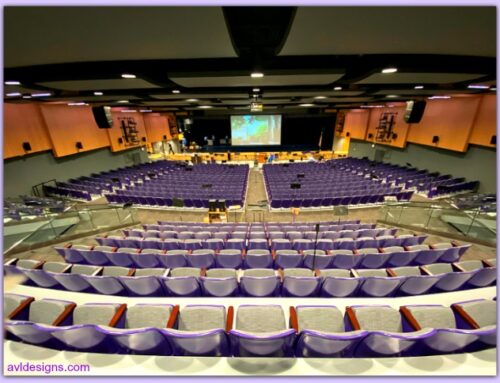
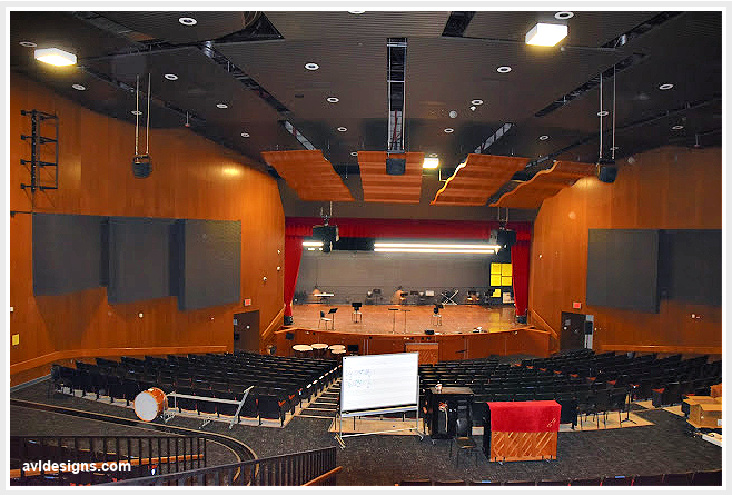
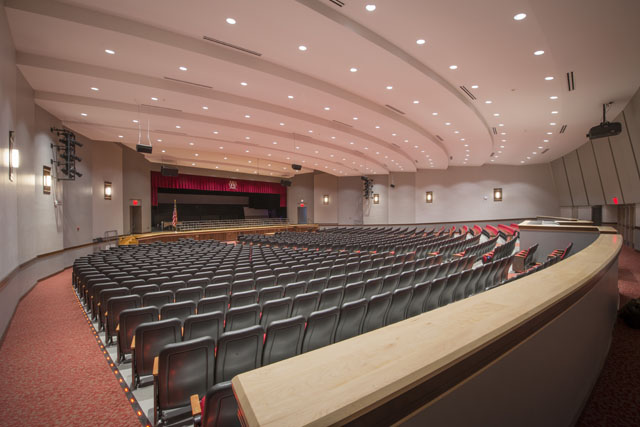
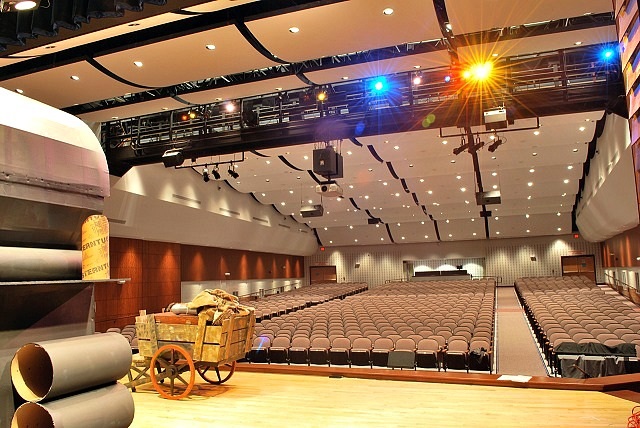
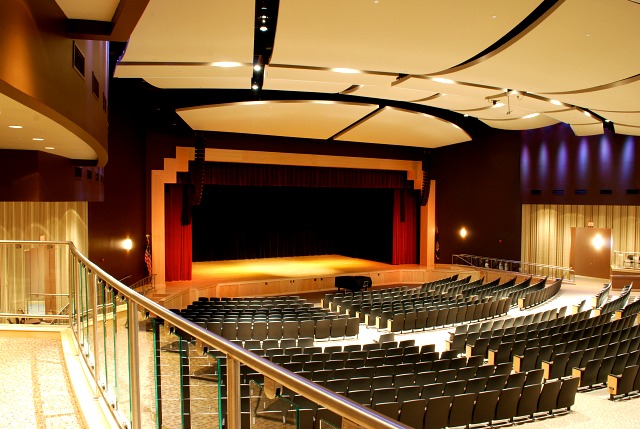
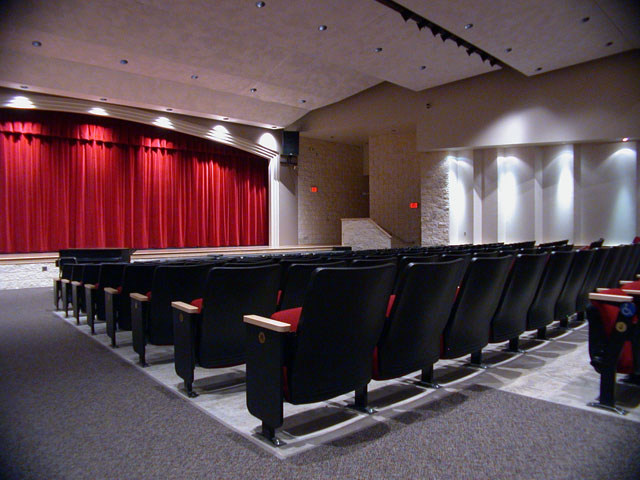
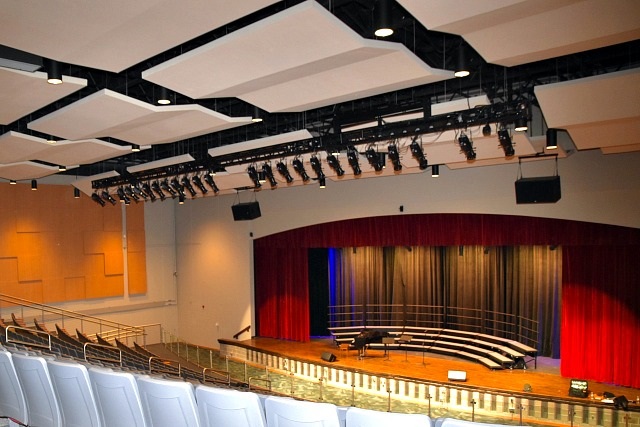
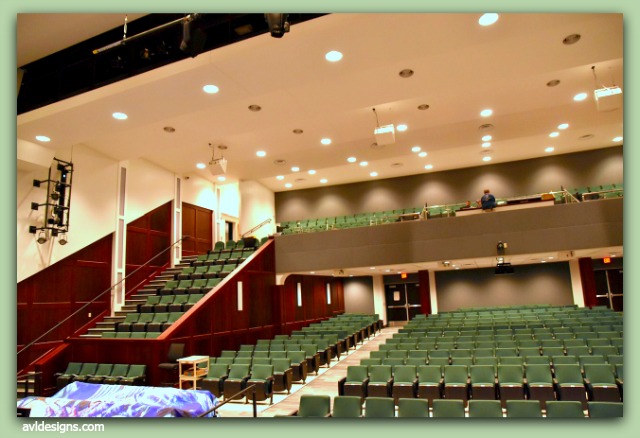
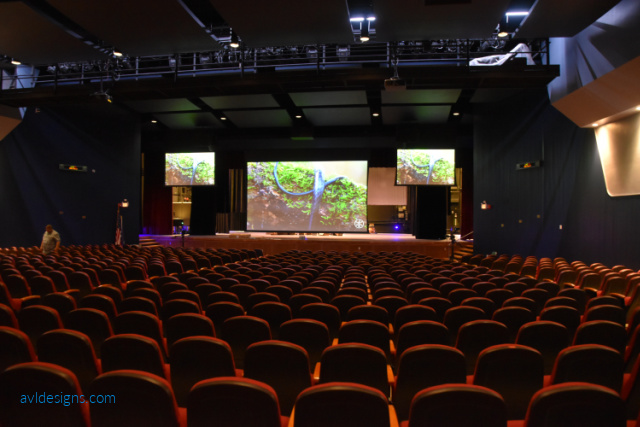
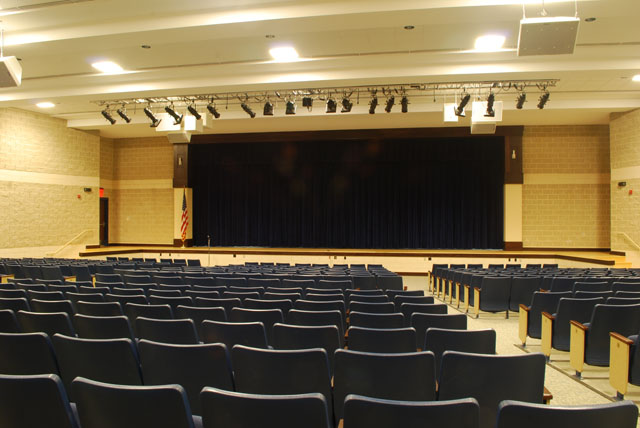
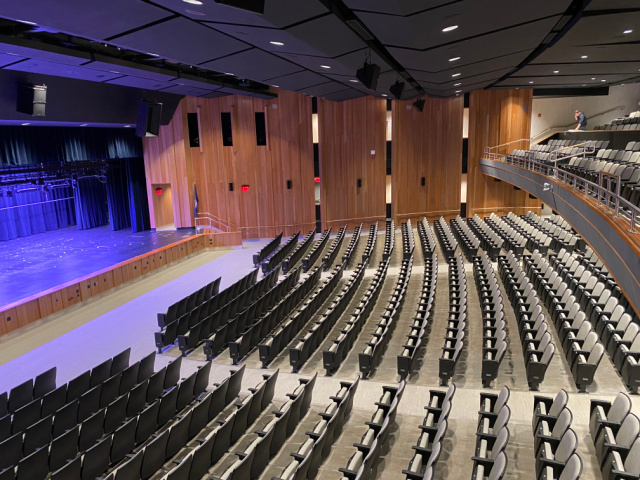
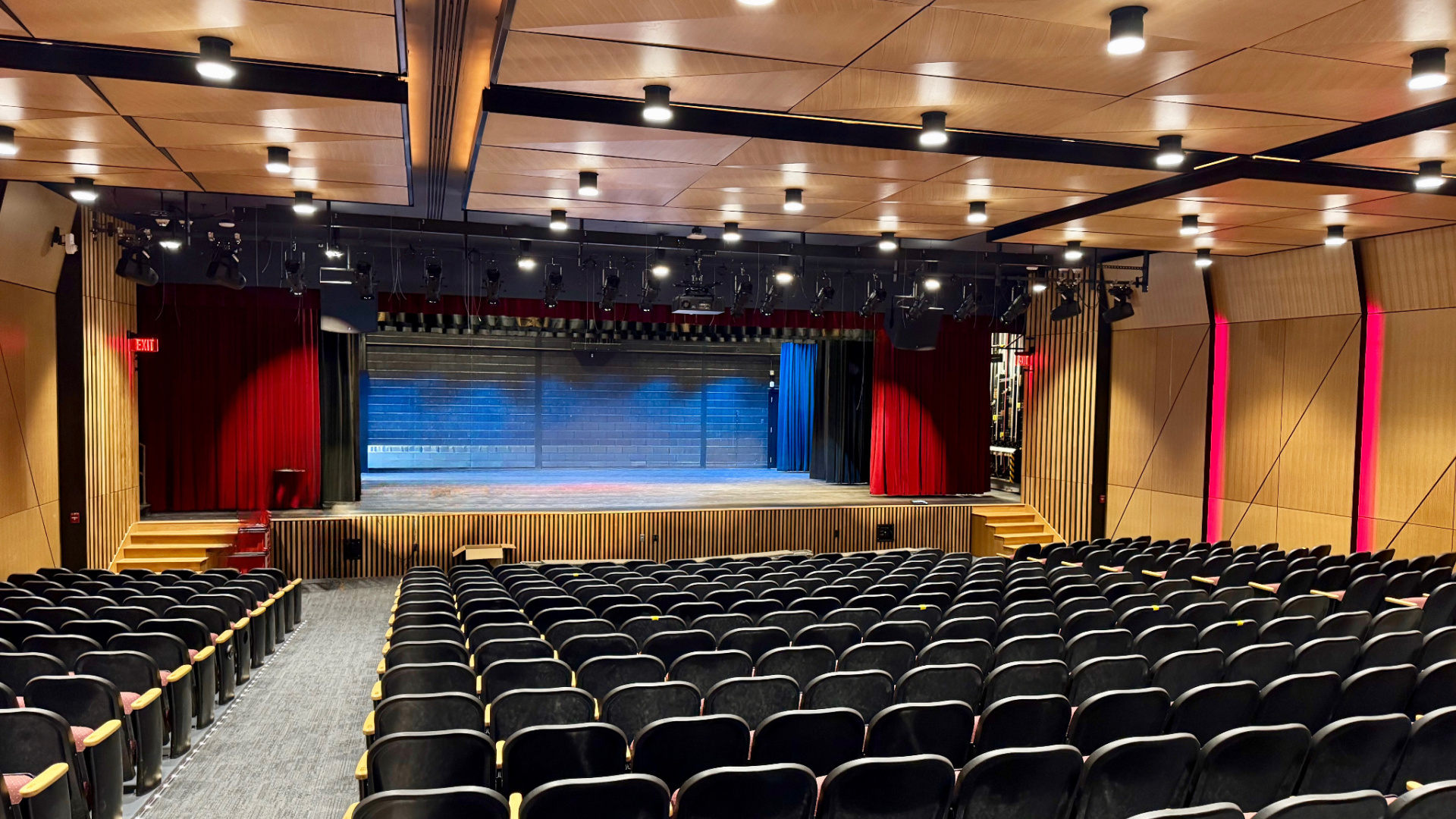
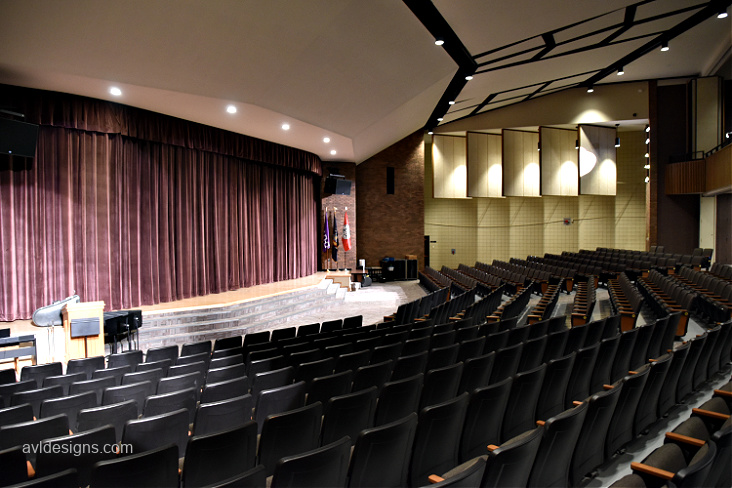
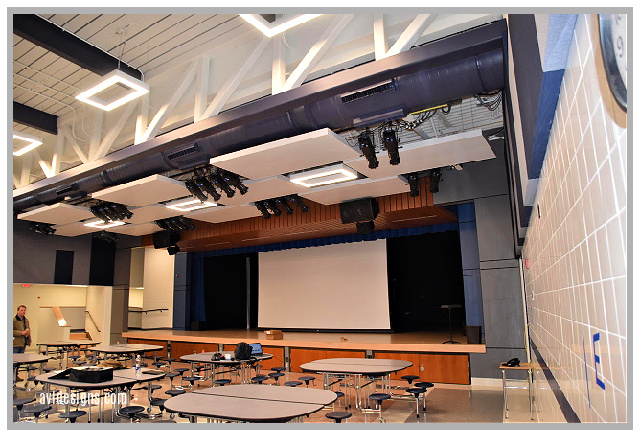
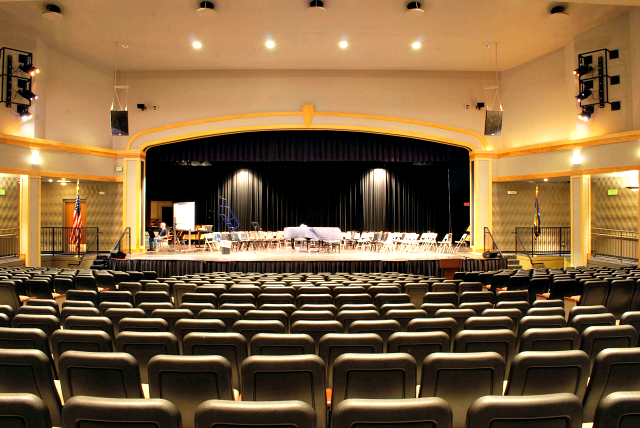
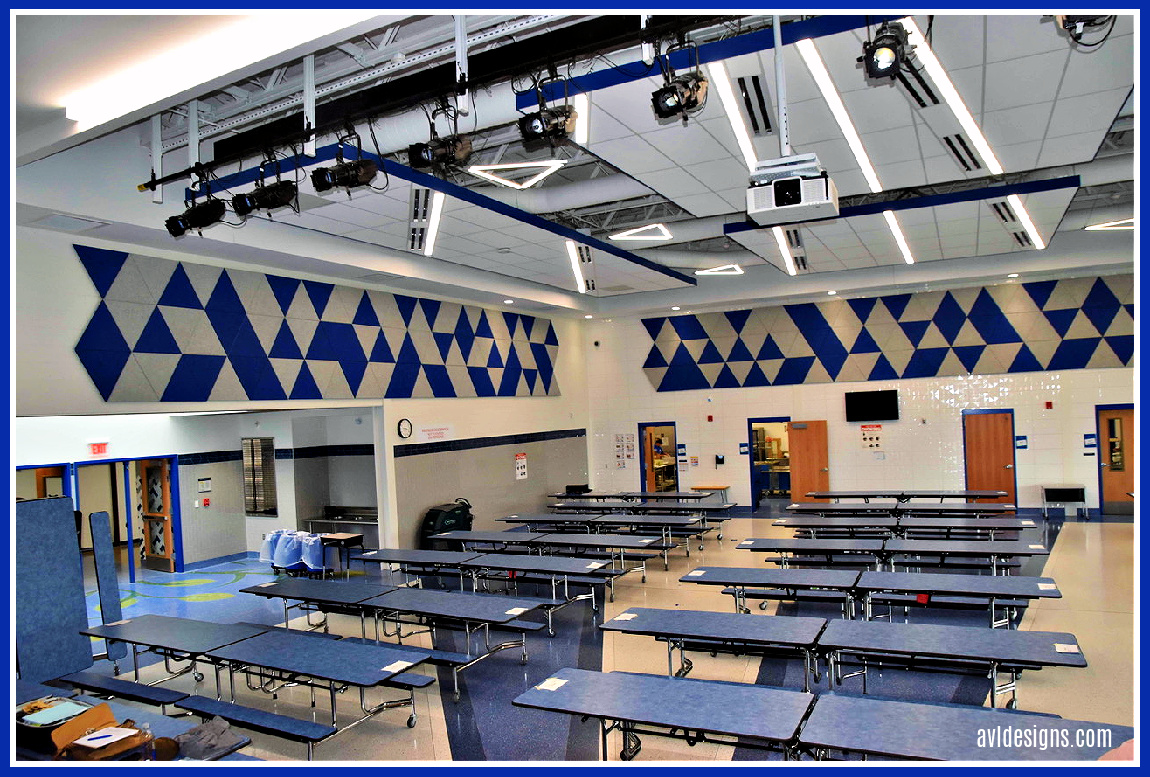
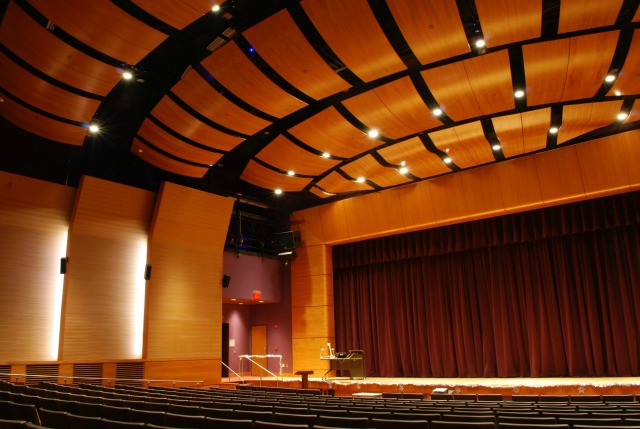
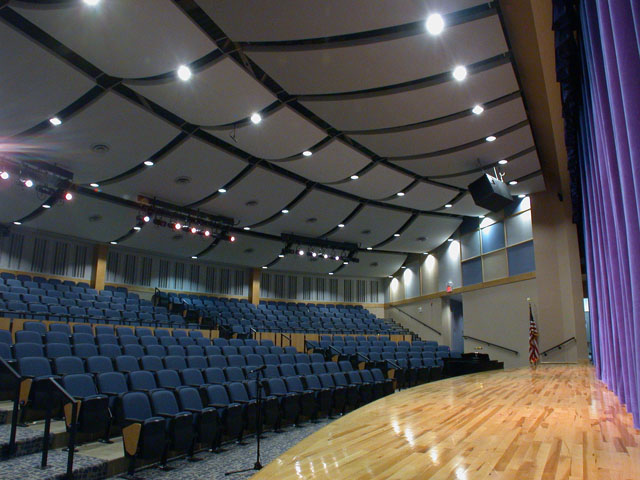
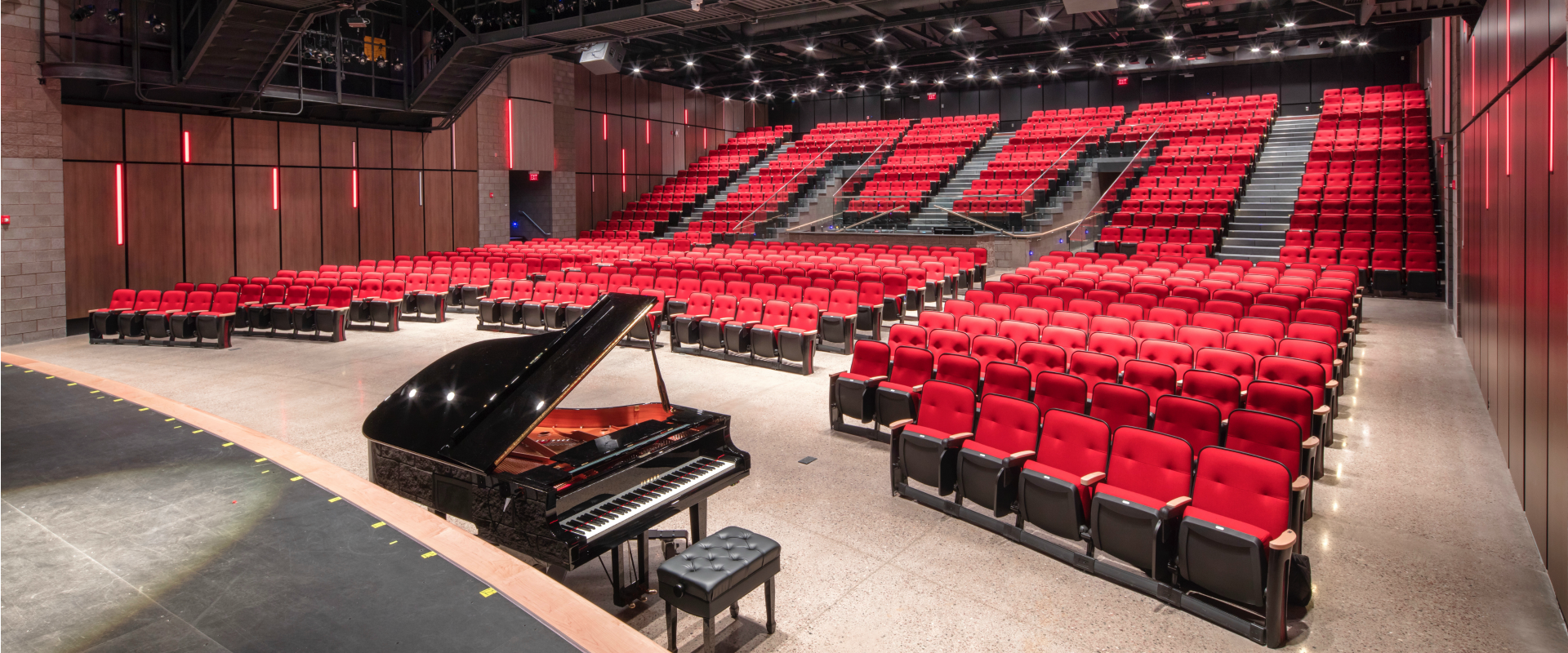
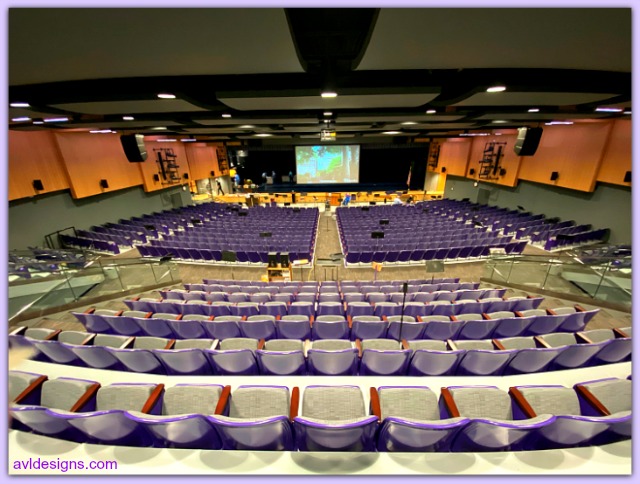
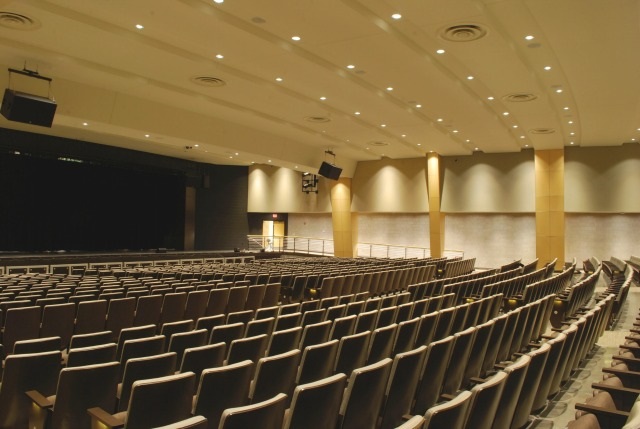
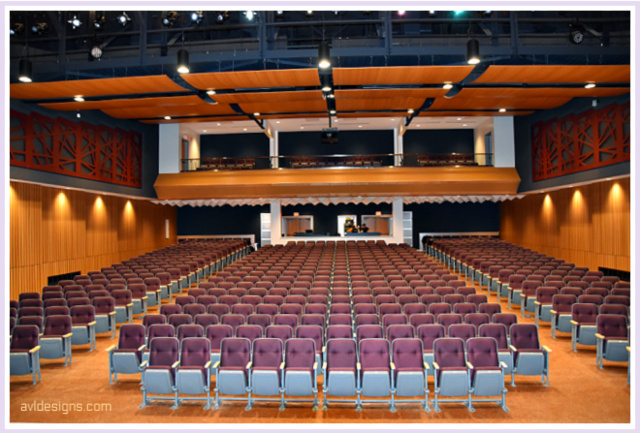
The challenge: making this space very multi-purpose. McQuaid needed a room that could support choral performances, band recitals, lectures, small musical events and dramatic plays, as well as banquets. In order to accommodate, the room had to be designed with retractable seating, and be visually amenable for both a dining atmosphere and a theater atmosphere. AVL produced a creative and workable solution to accomplish it all. AVL started with the sidewalls of the area in front of the stage. The walls were canted in order to localize the sound and provide lateral energy into the seating area. The side walls beyond that area had to remain parallel (for the retractable seating). These walls required a diffusive character, which was accomplished using RPG diffuser block. This block helps to create a diffuse sound field in the room. Masonry was utilized throughout the rest of the room to provide the needed low frequency response, and the ceilings were tilted to provide positive reflected sound into the upper and lower seating areas. All of the stage curtains are motorized to allow for easy opening and closing. The curtain tracks and wrap-around are at the tightest possible radius for a motorized system, yet they still work very smoothly. The border curtains are used to hide permanent ceiling sections that act as acoustic reflectors over the stage area, as well as some lighting fixtures and parts of the sound system. (Most of the sound system, such as the subwoofers, is concealed in the ceiling.) The border curtains are also motorized making them easily opened when there is an event which needs the acoustic reflectors.
Related Projects
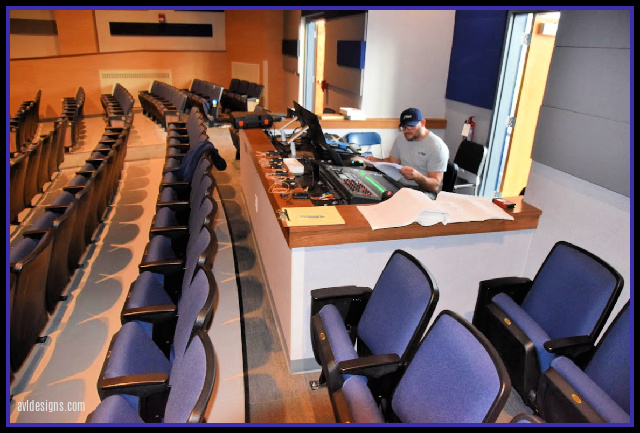
McQuaid Jesuit School Performing Arts Center
The challenge: making this space very multi-purpose. McQuaid needed a room that could support choral performances, band recitals, lectures, small musical events and dramatic plays, as well as banquets. In order to accommodate, the room had to be designed with retractable seating, and be visually amenable for both a dining atmosphere and a theater atmosphere. AVL produced a creative and workable solution to accomplish it all. AVL started with the sidewalls of the area in front of the stage. The walls were canted in order to localize the sound and provide lateral energy into the seating area. The side walls beyond that area had to remain parallel (for the retractable seating). These walls required a diffusive character, which was accomplished using RPG diffuser block. This block helps to create a diffuse sound field in the room. Masonry was utilized throughout the rest of the room to provide the needed low frequency response, and the ceilings were tilted to provide positive reflected sound into the upper and lower seating areas. All of the stage curtains are motorized to allow for easy opening and closing. The curtain tracks and wrap-around are at the tightest possible radius for a motorized system, yet they still work very smoothly. The border curtains are used to hide permanent ceiling sections that act as acoustic reflectors over the stage area, as well as some lighting fixtures and parts of the sound system. (Most of the sound system, such as the subwoofers, is concealed in the ceiling.) The border curtains are also motorized making them easily opened when there is an event which needs the acoustic reflectors.